

Understanding WajeCasino Agents in Nigeria's Online Gaming
🎰 Discover how WajeCasino agents boost Nigeria's online gaming 🚀, aiding player support, expanding reach, and navigating local laws for safer ₦gaming experience.
Edited By
Samuel Okafor
The role of an aviator extends far beyond simply piloting an aircraft. In Nigeria, aviators form the backbone of the nation's air transport system, ensuring the safe movement of people and goods across vast distances. Their journey to becoming licensed pilots is intensive, requiring both theoretical knowledge and hands-on training.
Aviators in Nigeria typically undergo rigorous flight training at approved aviation schools such as the Nigerian College of Aviation Technology (NCAT) in Zaria. Training covers subjects like aerodynamics, meteorology, navigation, and aircraft systems before moving on to practical flight hours. The process can take a few years, demanding both discipline and financial investment, often exceeding ₦5 million for complete commercial pilot training.

Once qualified, aviators serve in various capacities, including flying commercial passenger planes, cargo aircraft, or private jets. In the local context, they might pilot flights connecting economic centres like Lagos, Abuja, and Port Harcourt. Their work directly impacts commerce by facilitating quick business travel and fast delivery of goods, which a danfo or okada cannot replace in speed and efficiency.
Challenges in the Nigerian aviation sector affect aviators daily. These include inconsistent power supply affecting airport operations, costly jet fuel prices driven by foreign exchange fluctuations, and regulatory hurdles that can slow down career progress. Despite these, skilled pilots adapt and continue to uphold safety standards, which remain a top priority.
Safe and efficient air travel owes much to Nigeria's aviators, whose expertise keeps the skies navigable under sometimes difficult conditions.
In sum, understanding an aviator's journey involves recognising the demanding training, the wide range of skills needed, and the critical role they play in Nigeria's economic development. Their work not just moves people but also supports industries and fosters connectivity essential to modern life.
Understanding what an aviator does sets the stage for appreciating the complexities of Nigeria’s aviation sector. Defining the role clearly helps clarify the responsibilities, skills, and impact aviators have daily, whether piloting a domestic flight or handling cargo across borders. This foundation benefits aspiring pilots, industry professionals, and policymakers who seek realistic insights into aviation's operational demands.
At its core, an aviator’s primary duty is piloting aircraft — controlling the takeoff, flight, and landing. This involves managing multiple aircraft systems, monitoring instruments, and adapting to weather conditions. For example, a pilot flying between Lagos and Abuja must navigate air traffic control instructions while keeping passengers safe and comfortable. The practical aspect includes hands-on skills and split-second decision-making to ensure smooth flight.
Safety is non-negotiable for aviators. They conduct thorough pre-flight checks and confirm that all safety protocols are met before departure. Beyond passengers, cargo must be properly balanced and secured to prevent mishaps. For instance, a cargo pilot transporting perishables like agricultural produce must ensure the plane’s conditions meet strict requirements to avoid spoilage, highlighting the pilot's role in protecting both human and economic interests.
Aviators are responsible for accurate navigation using onboard technology and external guidance from air traffic control. They maintain constant communication with control towers, updating them on positions and receiving instructions. In Nigeria, where airports vary in sophistication, this communication is vital to navigate busy hubs like Murtala Muhammed International Airport or smaller airstrips safely.
Commercial pilots operate scheduled passenger flights for airlines such as Arik Air or Air Peace. Their role involves transporting thousands of commuters daily, connecting cities across the country and internationally. They must comply with strict regulations while managing high passenger loads smoothly and safely.
These pilots specialise in moving goods rather than people. They operate aircraft that transport everything from electronics to fresh produce. For example, a cargo pilot might handle flights ensuring that pharmaceutical products reach northern Nigeria on time, demonstrating how they facilitate trade and economic activity.
Military aviators serve in the Nigerian Air Force, flying fighter jets, surveillance drones, or transport planes. Their duties include defending national airspace and supporting ground forces. They operate under tighter security protocols and often in challenging conditions, reflecting a different set of skills and risks compared to civilian pilots.
Not all aviators work commercially. Private and recreational pilots fly smaller aircraft for personal or business travel. Their operations often include flying to remote or less accessible locations within Nigeria, offering flexibility for non-scheduled travel. These pilots uphold their qualifications to ensure safety, even with smaller aircraft used for leisure or short-haul trips.
Clearly defining these roles helps stakeholders understand the branching career paths within aviation and the distinct responsibilities each category entails, especially in Nigeria’s growing yet demanding aviation environment.
Training and qualifications are the backbone of any aviator’s career, laying the groundwork for safe and competent flying. In Nigeria, the standards are set to meet international benchmarks, ensuring that pilots are well-equipped to handle the demands of commercial, private, or military aviation. Without a solid training background and proper licences, an aviator cannot legally or safely operate an aircraft, nor do they gain access to professional opportunities within the industry.
Basic education and academic requirements are the first step in the journey. Most aviation training schools in Nigeria require at least a secondary school certificate with credits in Mathematics and English. These subjects are critical because they underpin the calculations and communication skills necessary for flying. For example, navigation involves understanding coordinates and calculations based on wind speed and direction, while clear communication with air traffic control relies on strong language skills.
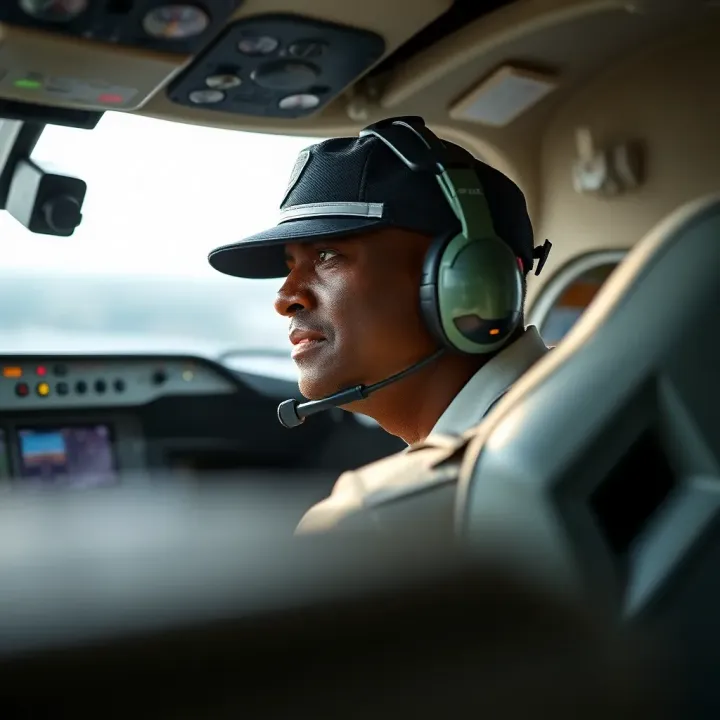
Obtaining the Private Pilot Licence (PPL) is the next key milestone. The PPL is often the first licence an aspiring aviator pursues. It involves both theoretical examinations and practical flight training, generally requiring a minimum of 40 flight hours according to Nigerian Civil Aviation Authority (NCAA) regulations. This licence allows the holder to fly privately, without remuneration. For example, a privately licensed pilot could fly light aircraft for personal use or recreation but cannot work commercially yet.
Progressing to the Commercial Pilot Licence (CPL) is essential for those aiming to turn flying into a profession. The CPL demands more rigorous training, with a requirement of at least 200 hours of flying time, several written exams, and more advanced flight skills including night flying and instrument navigation. Having a CPL qualifies a pilot to be employed as a professional aviator—whether in commercial airlines, cargo operations, or charter services. This is especially relevant in Nigeria’s growing domestic aviation sector.
Additional certifications and ratings enhance an aviator’s expertise and marketability. Examples include instrument ratings for flying in poor visibility, multi-engine licences for larger aircraft, and type ratings for specific aircraft models like the Boeing 737 or ATR 72. These credentials are crucial because they demonstrate specialised training, allowing pilots to operate complex aircraft safely. For instance, without an instrument rating, a pilot cannot legally fly through clouds or heavy fog.
The Nigerian College of Aviation Technology (NCAT) in Zaria is Nigeria's premier aviation training centre. Since 1964, NCAT has been the hub for pilot training, maintenance engineering, and air traffic control education. It offers internationally recognised certifications aligned with NCAA and International Civil Aviation Organization (ICAO) standards. Many Nigerian commercial pilots start their journey here, benefiting from rigorous, subsidised training programmes.
Apart from NCAT, several private aviation schools offer pilot training across Nigeria. These include the Asaba School of Aviation and the Airlift School of Aviation in Lagos. Private schools tend to offer flexible programmes that accommodate working students or those who want to progress at their own pace. However, training quality varies, so attending NCAA-accredited schools is critical to gaining legitimate qualifications acceptable for professional flying roles.
Training costs and financing options can be significant considerations for aspiring aviators. The total cost of acquiring a CPL in Nigeria may range from ₦8 million to ₦15 million, depending on the flight hours and school. Some candidates secure sponsorships from airlines or educational loans to manage this expense. Others may opt for modular training, where they pay for each course progressively instead of a single upfront fee. Understanding these financial realities helps students plan their training path realistically.
Proper training, valid licences, and reputable institutions are the pillars that ensure safe and efficient aviation practices in Nigeria's booming airspace. These elements not only open doors to employment but also safeguard lives in a sector where precision and expertise are non-negotiable.
Successful aviators combine technical mastery with strong personal qualities. In Nigeria's dynamic aviation sector, these skills and attributes ensure safe, efficient flights while managing challenges unique to the environment. Understanding these elements helps appreciate the demands placed on pilots and the standards they must meet.
Aircraft handling and control skills are fundamental for any aviator. This involves the ability to operate various flight controls smoothly, from take-off to landing. Pilots must learn to adjust to different aircraft models, weather conditions, and unexpected mechanical issues. For example, handling a turboprop aircraft differs significantly from controlling a jet, and the pilot must adapt quickly to each.
In practical terms, this skill keeps passengers and cargo safe, especially when navigating crowded Nigerian airspace or unpredictable weather around Lagos or Abuja. Mastery here isn't just about flying; it's about responding appropriately when systems behave differently or when visibility is low.
Situational awareness and decision-making are crucial on the flight deck. Aviators must constantly monitor multiple variables: air traffic, weather updates, aircraft performance, and communications with air traffic control. These factors often evolve rapidly, requiring pilots to adjust flight plans on the spot.
Consider a flight delayed due to sudden storms over Jos; a pilot's capacity to assess updated situation data and decide on alternative routes exemplifies this skill. Such decisions affect not only flight safety but also operational efficiency and passenger comfort.
Problem-solving under pressure is another vital skill. Nigerian pilots frequently face operational challenges like sporadic air traffic control signals or technical snags due to limited maintenance resources. A pilot must diagnose issues quickly, weigh options, and act decisively.
For instance, when an aircraft’s instrument shows an unexpected warning mid-flight, the aviator’s calm and clear-headed approach in troubleshooting can be the difference between a routine correction and a dangerous emergency.
Discipline and focus underpin every safe flight. Pilots must adhere strictly to procedures, checklists, and regulations without lapsing into complacency. In Nigeria, where infrastructure challenges sometimes tempt shortcuts, professional discipline ensures that safety standards remain uncompromised.
Every flight demands sustained attention to detail, from pre-flight checks through to post-landing evaluations. Missing a step due to fatigue or distraction can have serious consequences, so these personal qualities ensure vigilance comes first.
Effective communication facilitates coordination with crew, air traffic controllers, and ground staff. Clear, concise exchange of information prevents misunderstandings that could delay flights or endanger lives.
In Nigerian airports like Murtala Muhammed International, collaboration between the pilot and multiple agencies is common. Pilots use standard aviation English but must also be adept at managing local communication dynamics, ensuring messages are understood amid background noise or language barriers.
Stress management and resilience keep aviators effective even during high-pressure situations. Nigerian pilots often deal with schedule disruptions, fluctuating weather, and technical delays that can cause stress.
Being resilient means maintaining composure through long flights or unexpected challenges without letting frustration affect judgement. For example, managing fatigue during ember months when flight frequency increases is a test of this attribute.
Mastery of both technical skills and personal qualities makes aviators reliable and respected professionals, essential to Nigeria’s aviation success.
By blending precise aircraft control with strong personal discipline and sharp decision-making, Nigerian aviators navigate complex skies safely and with confidence.
The aviation environment in Nigeria presents specific challenges that impact pilots and the overall efficiency of air travel. Understanding these hurdles is critical for anyone considering a career as an aviator or working within the aviation ecosystem. From infrastructure troubles to economic pressures, these issues shape how aviators operate daily.
Nigeria’s airport infrastructure often struggles with maintenance backlogs and outdated technology. This affects how efficiently airplanes are managed on the ground and during flight. Air Traffic Control (ATC) systems at major airports like Murtala Muhammed International Airport in Lagos sometimes face communication delays and tracking challenges, leading to irregular flight schedules or rerouting. For aviators, this means extra caution and flexibility to ensure passenger safety when standard procedures are hampered.
Moreover, some regional airports lack modern radar systems or proper lighting for night operations, which limits the types of flights that can operate safely. Pilots therefore face tighter restrictions and must adapt quickly to changing conditions, especially when flying into less equipped locations.
Aviation safety depends heavily on regular and thorough aircraft maintenance. Many Nigerian operators have to contend with delays in acquiring genuine spare parts due to import restrictions or currency fluctuations. This occasionally forces planes to stay grounded longer than planned, disrupting flight schedules and increasing operational costs.
For pilots, unreliability in equipment means preparing for unforeseen technical challenges and sometimes conducting more extensive pre-flight checks. Furthermore, the cost of maintenance often influences airlines' ability to upgrade their fleets, resulting in older aircraft still in service. These factors make the role of an aviator more demanding compared to regions with better-maintained fleets.
Jet fuel prices in Nigeria are notoriously unstable due to global oil market swings and local subsidy policies. Since fuel constitutes a large part of an airline’s operating expenses, pockets sometimes get tight, leading to flight cancellations or increased ticket prices.
Aviators indirectly feel this effect as airlines might limit flight hours or routes to contain costs. This reduces flying opportunities and can also affect pilots' income, especially for commercial aviators paid per flight hour.
Nigeria’s Civil Aviation Authority imposes strict rules meant to guarantee safety, but the bureaucratic process can be slow and complex. Pilots and operators must constantly update certifications and undergo recurrent training to meet international and local standards.
At times, delays in processing licences or new regulatory changes cause stress for aviators trying to keep their credentials current. This can stall career progression or restrict the ability to work on newer aircraft models.
With the Nigerian aviation sector growing, the number of trained pilots has increased sharply over the past decade. However, the formal job market has not always expanded at the same pace, leading to fierce competition for limited vacancies at major airlines and charter companies.
Newly qualified pilots often face challenges landing their first job, sometimes taking up less desirable assignments or flying smaller, less lucrative routes. Despite the tough competition, those who persist and build strong reputations usually find steady work amid the sector’s gradual recovery.
Navigating Nigeria's aviation sector requires not just skill but also resilience to handle its unique infrastructure, economic, and regulatory challenges. Understanding these factors helps aspiring aviators prepare better for the realities of this demanding profession.
Aviators play a key role in driving Nigeria’s economic growth and societal development. Their work supports vital sectors, including trade, business, transportation, and emergency services, often under challenging conditions. Without skilled aviators, many parts of Nigeria would remain disconnected, slowing progress for businesses and communities alike.
Aviators help move goods rapidly across Nigeria and beyond its borders, ensuring supply chains remain efficient. For instance, fresh produce from northern states like Kano can reach markets in Lagos by air within hours, preventing spoilage. Similarly, exporters rely on cargo flights to get Nigerian products like cocoa, oil, and textiles to buyers worldwide. This fast movement of goods bridges long distances Nigeria’s porosity of road networks makes harder for trucks alone.
Many parts of Nigeria, particularly in the North East or Niger Delta, have poor road infrastructure, limiting direct business interaction. Aviators connect these distant areas with commercial hubs such as Abuja and Port Harcourt. This link opens up opportunities for local entrepreneurs to access new markets and services more readily. A typical example is how air services enable oil company staff and investors to travel efficiently between offshore facilities and city centres, sustaining the country’s crucial petroleum sector.
Aviators provide essential services for the millions who travel within Nigeria for work, education, family visits, and leisure. Flights between cities like Lagos, Abuja, Enugu, and Calabar help bypass long and often unpredictable road journeys, saving time and increasing safety. The growing domestic tourism industry also benefits from aviators enabling quick access to attractions such as Obudu Hills and Yankari National Park, encouraging local economic activities.
In times of crisis, aviators serve frontline roles. During natural disasters like floods or security operations against insurgents, air transport delivers crucial aid and evacuates those stranded. Organisations such as the Nigerian Air Force and humanitarian groups rely on pilot expertise to navigate challenging environments and ensure swift relief. For instance, during the 2012 floods in Delta State, pilots flew in food, medicine, and rescue personnel to affected communities, reducing the disaster's impact.
In summary, aviators not only move people and goods; they connect Nigeria’s diverse regions and support public safety, underpinning steady economic growth and social cohesion.
This makes the journey of becoming an aviator not just a personal career path, but a service to the nation’s development and wellbeing.
🎰 Discover how WajeCasino agents boost Nigeria's online gaming 🚀, aiding player support, expanding reach, and navigating local laws for safer ₦gaming experience.

Discover the best betting sites in Nigeria 🇳🇬 with top bonuses, trusted payments, and smooth user experience. Stay safe and win big with this practical guide! 🎲💰

🎰 Get easy steps to login Web Wajecasino, manage your account, and stay secure. Learn deposit, withdrawal tips & how Nigerians enjoy safe gaming on ₦ platform.
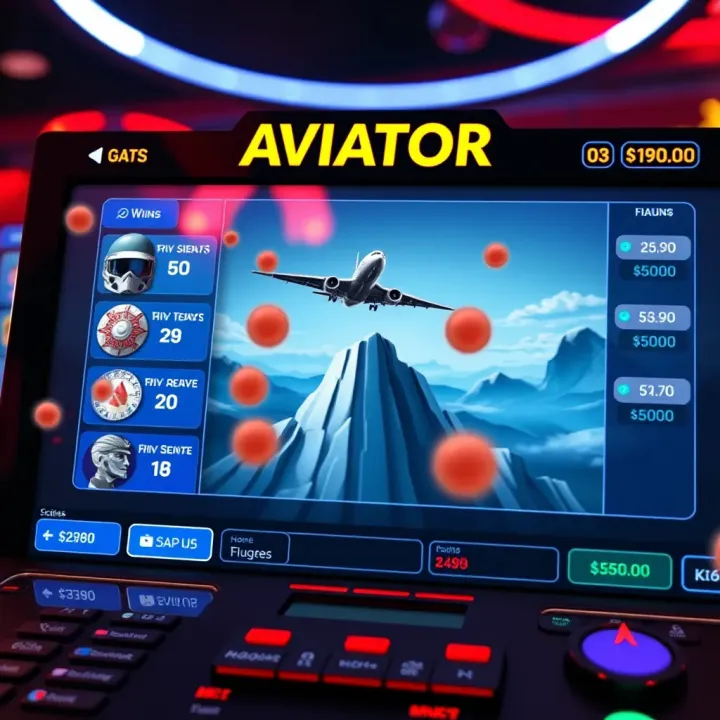
🎮 Master Aviator on WajeCasino with proven tips, game insights, risk controls, and strategies to boost your wins while keeping play safe and enjoyable for Nigerian players 🇳🇬
Based on 14 reviews