

Wajecasino Aviator Algorithm Explained for Nigerian Players
🔍 Understand the Wajecasino Aviator algorithm’s workings, fairness, and game impact. Get clear insights and tips tailored for Nigerian players 🇳🇬 to play smart and win ₦.
Edited By
Chinedu Okonkwo
Aviator signals form a vital part of aviation communication, especially when radios have issues or are unavailable. These hand and arm signals allow pilots, ground crew, and air traffic controllers to exchange crucial information visually, sustaining safety and efficiency at airports and on the airfield.
In Nigeria, where technical challenges with radio communication occasionally occur due to power outages or equipment faults, understanding aviator signals becomes even more valuable. For example, at Lagos Murtala Muhammed Airport, ground staff regularly rely on these signals to guide aircraft during busy periods when radio chatter is heavy or disrupted.
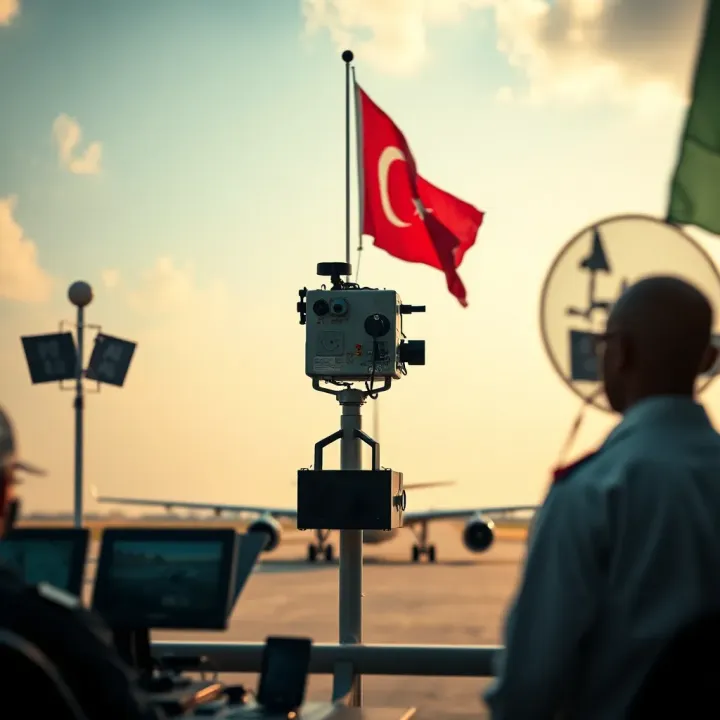
Here are a few key reasons why aviator signals remain fundamental:
Backup communication tool: When radios fail, hand signals serve as a reliable alternative to prevent accidents.
Universal understanding: Internationally standardised signals ensure pilots and controllers from different countries can cooperate effectively.
Rapid, clear messages: Visual signals cut through noise and can be immediate, reducing turnaround time on the tarmac.
Some common signals include the marshaller’s arm movements to direct taxiing planes, waving off an aircraft to indicate clearance for takeoff, and signals to slow down or stop. Each signal is precise and must be correctly interpreted to avoid misunderstandings.
In Nigerian aviation training centres, emphasis on mastering aviator signals is increasingly necessary due to recurring radio issues and the country’s expanding air traffic.
For aviation enthusiasts, learning these signals deepens appreciation of how safety is maintained beyond gadgets. Ground crew waving illuminated wands at night, or a pilot nodding in response to a marshaller’s directions — these are everyday sights that reflect a well-coordinated system.
Understanding aviator signals also opens opportunities for those interested in careers within aviation security, operations, and ground handling.
This guide will break down the history, types, and practical use of aviator signals, showcasing their role in keeping Nigerian skies safe and well-coordinated even when technology lets down.
Aviator signals form the backbone of safe and effective communication between pilots and ground crews, especially in environments where radio contact may be unreliable or unavailable. In Nigerian airports, where power cuts and technical glitches can disrupt electronic communication, these visual signals ensure pilots receive clear instructions for taxiing, takeoff, landing, and parking.
Understanding these signals helps stakeholders avoid costly misunderstandings that could lead to accidents, delays, or operational inefficiencies. For aviation enthusiasts, grasping the nuances of aviator signals offers a window into aviation safety culture and the practical challenges faced daily at airports like Murtala Muhammed International or Nnamdi Azikiwe International.
Aviator signals are standardized hand gestures, flags, or light signals used by ground personnel to communicate instructions to aircraft pilots. These non-verbal messages guide pilots during critical phases of flight on the ground, such as parking guidance or engine start commands. Without reliance on radios, signals are essential at busy or noisy airfields where verbal communication might be compromised.
In the Nigerian context, where smaller airports or remote airstrips may lack advanced communication tools, aviator signals provide a dependable method to coordinate aircraft movement safely. Ground marshals use clear, universally understood signs to direct pilots, reducing risks during aircraft handling.
Non-verbal signals bridge gaps when radio communication fails due to technical faults, interference, or regulatory limitations. For instance, in areas with frequent power outages or in the ember months when system overloads occur, aviator signals maintain communication flow.
Moreover, these signals reduce misunderstandings caused by language barriers or accents, which can be common in Nigeria’s diverse aviation workforce. A ground officer’s wave or flag position immediately conveys intent without delay or confusion, enhancing coordination during takeoff, landing, or taxiing.
Aviator signals trace back to the earliest days of flight when pilots and ground crews had no radio technology. Ground staff improvised with hand signals and flags to guide rudimentary aircraft safely on uneven fields and makeshift runways. These early practices formed the basis for today’s more standardised systems.
For Nigeria, aviation development in the 20th century included adopting these visual signals to improve safety, especially as airports evolved from simple landing grounds to international hubs.
While radios and instrument landing systems have advanced Nigerian aviation, aviator signals remain relevant. They evolved from basic hand waves to include intricate flag patterns and coloured lighting systems used at night or in poor visibility.
Today, Nigerian airports are integrating digital tools alongside traditional signalling, but the latter acts as a fail-safe during emergencies like power failures or radio outages. Training programmes still emphasise mastering these signals to keep the skies safe — showing that even with tech progress, aviator signals have enduring importance.
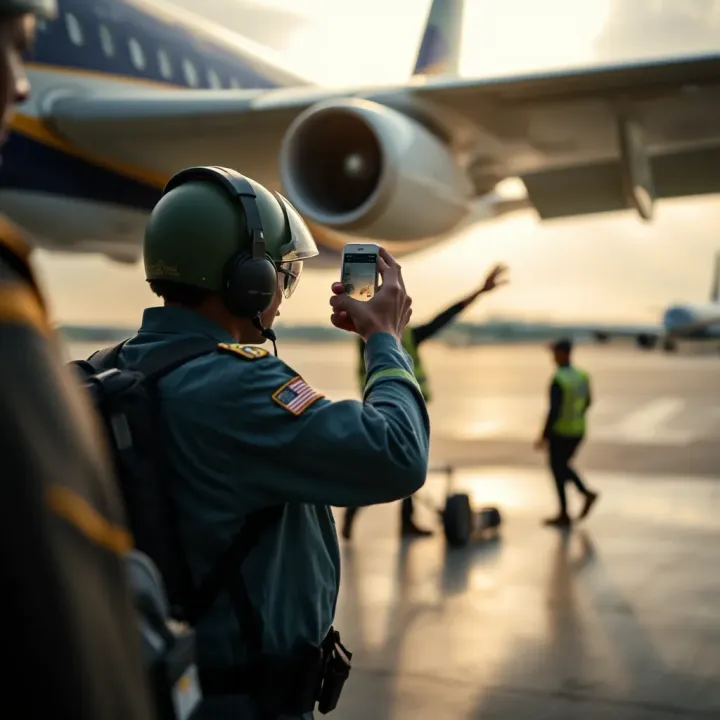
In the complex environment of Nigerian aviation, aviator signals provide clarity and safety where technology might falter, proving their value beyond history and into everyday use.
Aviator signals are essential for smooth communication between pilots and ground crew, especially where radio or electronic communication is unavailable or unreliable. Understanding the different types of signals helps prevent accidents and ensures efficient aircraft handling. These signals fall mainly into visual hand signs, flags, and lights—each with a distinct role in guiding aircraft movements on the tarmac.
Standard hand signs for pilots and ground crew are the backbone of non-verbal communication in aviation. Ground crew use these gestures to direct pilots during taxiing, parking, and engine start-up. For example, a raised clenched fist typically means "hold position," while waving one arm horizontally signals "move in that direction." Such signs are immediate and clear, reducing the chance of miscommunication in busy or noisy environments like Lagos Murtala Muhammed International Airport.
These hand signals matter because pilots must respond quickly to instructions without distractions. For instance, when visibility is low during Nigeria’s ember months with dusty winds, clear hand signals help prevent aircraft collisions and misalignment at gates, ensuring safety for passengers and crew.
International vs local signal variations represent another key aspect. The International Civil Aviation Organization (ICAO) standardises many gestures to avoid confusion in global aviation. However, Nigerian airports sometimes use slight local modifications to suit specific operational needs or cultural contexts. For example, a signal to stop may be done with both arms raised internationally, but locally could be simplified due to crew training or customs.
Understanding these differences is practical for foreign pilots or ground staff working in Nigeria. Training includes familiarisation with both ICAO and local versions, ensuring smooth operations. Such awareness prevents delays and supports seamless cooperation across multicultural teams frequently found in Nigeria’s aviation sector.
Signalling with coloured flags remains vital on busy aprons where radio signals break down or during power outages. Flags come in red, green, and yellow, each conveying specific messages. For instance, a red flag waved horizontally generally means "stop," while a green flag signals "all clear" or "proceed." During daylight operations or in open fields without electronic aids, these flags offer a reliable communication method.
This practical approach helps ground crew guide aircraft safely onto runways or taxiways. At smaller Nigerian airfields with limited modern equipment, flag signals provide a low-cost, effective alternative for aircraft movement control.
Aircraft signal lamps and their functions serve as another communication layer, especially during night operations or bad weather. These lamps flash in coded light patterns visible from the cockpit, transmitting orders such as "return to starting point," "cleared to take off," or "give way to other aircraft."
For example, a steady green light means "cleared for takeoff," while a flashing red light instructs "taxi clear of runway." In Nigerian airports like Abuja’s Nnamdi Azikiwe International, signal lamps complement radio communication to ensure pilots receive backup instructions.
Effective use of hand signals, flags, and lights provides a safety net. These traditional methods support Nigerian aviation by reducing reliance on radios, especially where interference or outages are a concern.
Together, these common types of aviator signals guarantee seamless coordination between pilots and ground teams, keeping Nigerian skies safer and operations more efficient.
Aviator signals remain indispensable in Nigerian aviation, especially where technology and infrastructure have their limits. These signals provide an effective way for ground crew and pilots to communicate quickly and clearly, bypassing some of the challenges with radio communication often faced in many Nigerian airports. This system ensures safe aircraft movement despite power outages, poor radio reception, or busy air traffic.
Ground handling operations depend heavily on aviator signals to guide aircraft precisely while on the tarmac. For instance, at Murtala Muhammed International Airport in Lagos, ground marshals use standard hand signals to direct pilots during parking, pushback, and taxiing. This method avoids confusion in noisy environments where verbal communication is difficult. It also helps coordinate movements between fueling teams, baggage handlers, and maintenance staff, reducing delays and preventing accidents.
Managing limited radio communication situations is another practical use of aviator signals here in Nigeria. Many regional airports or smaller airfields still experience limited or unreliable radio coverage, especially during ember months when demand spikes. In these situations, visual signals allow ground crew to maintain control over aircraft movements without relying solely on electronic communication. This backup communication reduces risk, making day-to-day operations smoother and safer, particularly where old infrastructure or electromagnetic interference disrupt radio signals.
Preventing accidents during aircraft movement is a top priority in busy Nigerian airports. Aviator signals allow ground personnel to give immediate, unambiguous instructions to pilots moving on crowded aprons and taxiways. For example, a familiar signal indicating "stop" or "slow down" can prevent costly collisions or surface mishaps that might otherwise occur if radio calls are missed or misunderstood. Clear hand signals also help manage the many support vehicles like fuel trucks and luggage carts operating around planes.
Facilitating smooth landing and takeoff processes largely depends on efficient ground-to-pilot coordination. Air traffic controllers sometimes face delays or gaps when communicating over radio, especially in older control towers common across Nigeria. Aviator signals fill this gap by giving pilots direct visual cues on runway status, taxi routes, and parking positions once they are on the ground. This system reduces turnaround times and enhances overall airport throughput, which is vital during peak travel periods such as yuletide seasons or national holidays.
In Nigeria’s varied aviation environment, aviator signals provide a practical, low-tech yet effective tool that complements electronic systems—reinforcing safety, boosting coordination, and ensuring operations keep running even under challenging conditions.
Ground crew use a standard set of hand signals for directing aircraft movement.
Visual signals are crucial when radio communication is weak or unavailable.
These signals help prevent accidents on congested airport floors.
Efficient signalling supports quicker landings, takeoffs, and turnaround activities.
Understanding how aviator signals function in Nigeria’s airports helps aviation enthusiasts appreciate the balance between technology and human skill in keeping our skies safe and flights timely.
Training and proper recognition of aviator signals form the backbone of safe and efficient airport operations. Ground crew and pilots rely heavily on these non-verbal cues to communicate effectively, especially in environments where radio contact might be limited or unclear. Without standardised training, the chance of misreading signals—leading to costly mistakes or even accidents—increases significantly.
Standard training procedures include a thorough understanding of the universal hand signals, flag colours, and light codes used on the tarmac. In Nigeria, aviation schools and airlines incorporate practical drills where trainees practise signalling in simulated airport settings. For instance, pilots learn to respond instantly to hand gestures during taxiing, while ground crew are drilled in signal clarity and timing to avoid confusion. This hands-on approach helps reinforce muscle memory and builds confidence, that later reflect in real-world airport operations.
The training often covers variations that might arise due to local conditions or equipment differences. For example, in Lagos's Murtala Muhammed Airport, where intermittent rain and high traffic may obscure visibility, emphasis is laid on exaggerated and slower signalling compared to less congested or clear environments.
Role of aviation regulatory bodies in Nigeria is crucial in maintaining consistent standards. Agencies like the Nigerian Civil Aviation Authority (NCAA) supervise training programmes for pilots and ground personnel to ensure compliance with international best practices. They also conduct periodic refresher courses and certification exams aimed at reaffirming proficiency in aviator signals.
Beyond training, these bodies oversee audits of airport operations related to ground handling and communication protocols. Their regulation helps maintain a high level of professionalism and safety. For example, the NCAA mandates that all ground crew complete signal proficiency certification before assignment to active duty.
Human error and misinterpretation remain significant hurdles despite training efforts. Even a slight variation in hand positioning or timing can lead to wrong commands understood by pilots or ground staff. A case in point is when a pilot mistakenly takes off without clearance due to a misunderstood signal, often resulting from distraction or fatigue.
Sometimes, ground crew members may use personal variations borne out of habit, complicating things further. Addressing this requires constant supervision and periodic retraining to keep everyone aligned with the official signal language.
Environmental factors affecting visibility add another layer of complexity. Nigerian airports often struggle with dust, rain, or poor lighting that can obscure signals. During ember months when weather conditions are unpredictable, reliance on visual signals is particularly challenging.
To counter this, airports deploy high-visibility coloured flags and reflective gloves for ground crew, while runway and taxiway lighting systems are continually upgraded to enhance signal perception. Additionally, training includes instruction on compensating for such adverse environmental factors by adopting clearer, more deliberate gestures.
Clear and consistent training, alongside awareness of challenges like human error and environmental conditions, ensures aviator signals remain a reliable communication tool in Nigeria's bustling airports.
By understanding and addressing these training and recognition aspects, aviation professionals ensure safer skies and smoother airport logistics for everyone involved.
Aviator signals remain relevant despite rapid advances in digital communication. While radios, radar systems, and digital displays have modernised aviation, traditional visual signals continue to serve practical and safety roles, especially in contexts where technology may falter or require human backup. Understanding how these signals integrate with modern tools ensures smooth operations at airports and airfields, particularly in Nigeria.
Combining aviator signals with radio and radar enhances situational awareness among pilots and ground crew. Radios provide voice communication, but in noisy airport environments or during radio failures, hand signals and lights act as an immediate backup. Meanwhile, radar systems offer precise aircraft positioning but cannot always convey specific instructions visible on the apron or taxiway. Together, they create a layered communication system where each tool supports the other to prevent errors.
At Nigerian airports like Murtala Muhammed International Airport, airports have begun adopting advanced radar and Automatic Dependent Surveillance-Broadcast (ADS-B) systems, which provide real-time flight data to controllers and pilots. However, during technical hitches or power interruptions, ground crew still rely on traditional aviator signals. This hybrid approach ensures that even if digital feeds momentarily drop, visual signalling maintains operational continuity.
Nigeria's aviation sector has seen improvements with the introduction of digital flight information displays, remote-controlled lighting, and improved communication infrastructure. Airports such as Nnamdi Azikiwe International have invested in newer runway lighting systems that can be controlled remotely to guide pilots during landing and takeoff, enhancing safety at night or low visibility.
Despite these advances, reliable visual signals remain a cornerstone during peak traffic or unforeseen delays. For example, during ember months when flight volumes increase, traditional hand and light signals help ground staff coordinate aircraft movement smoothly alongside digital systems. The blend of old and new technology adapts to local realities such as occasional power outages or equipment maintenance.
Visual aviator signals play a critical role in emergencies and power outages when electronic communication may fail entirely. For instance, if radio contact is lost due to equipment malfunction, pilots and ground handlers revert to hand signals to maintain safety. This fallback is especially crucial in Nigerian airports, where infrastructural challenges sometimes cause interruptions in power supply or radio systems.
In these moments, well-practised signalling can prevent accidents, maintain efficient traffic flow, and reduce confusion during stressful situations.
Training remains the backbone to ensuring that aviator signals do not fall by the wayside. Both pilots and ground crew must periodically refresh their knowledge and skills to interpret and use signals confidently. Regulatory bodies like the Nigerian Civil Aviation Authority (NCAA) emphasise such training to guarantee that no one on the tarmac misses or misreads critical instructions.
Regular drills and certification programs at flight schools and airport training centres reinforce this proficiency. For example, simulated communication blackouts are included in some Nigerian pilot training syllabuses to prepare them for real-life scenarios where signals substitute radio. Keeping this practical knowledge alive safeguards not only the operations but also lives.
In summary, as Nigerian aviation adopts more digital tools, aviator signals retain their place as an essential, reliable form of communication. Their integration with technology, role in crisis management, and steady training focus ensure they remain both relevant and useful for years to come.
🔍 Understand the Wajecasino Aviator algorithm’s workings, fairness, and game impact. Get clear insights and tips tailored for Nigerian players 🇳🇬 to play smart and win ₦.

🎰 Ready to join Wajecasino? Learn how Nigerian players register, verify accounts, fund with ₦, enjoy games, and play safely for a fun online casino experience.

📲 Discover how to register on Wajecasino step-by-step with clear tips for Nigerian users. Learn required documents, eligibility, and enjoy smooth gaming safely!
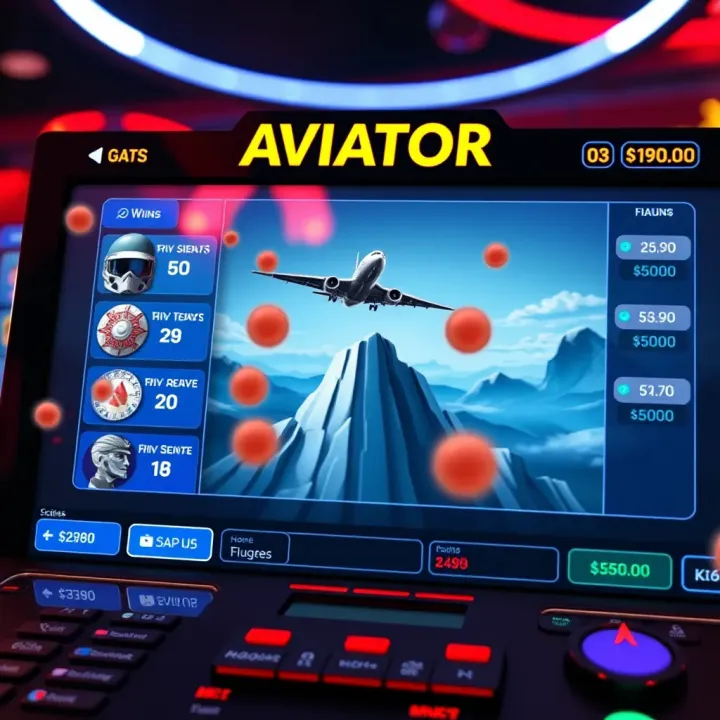
🎮 Master Aviator on WajeCasino with proven tips, game insights, risk controls, and strategies to boost your wins while keeping play safe and enjoyable for Nigerian players 🇳🇬
Based on 14 reviews